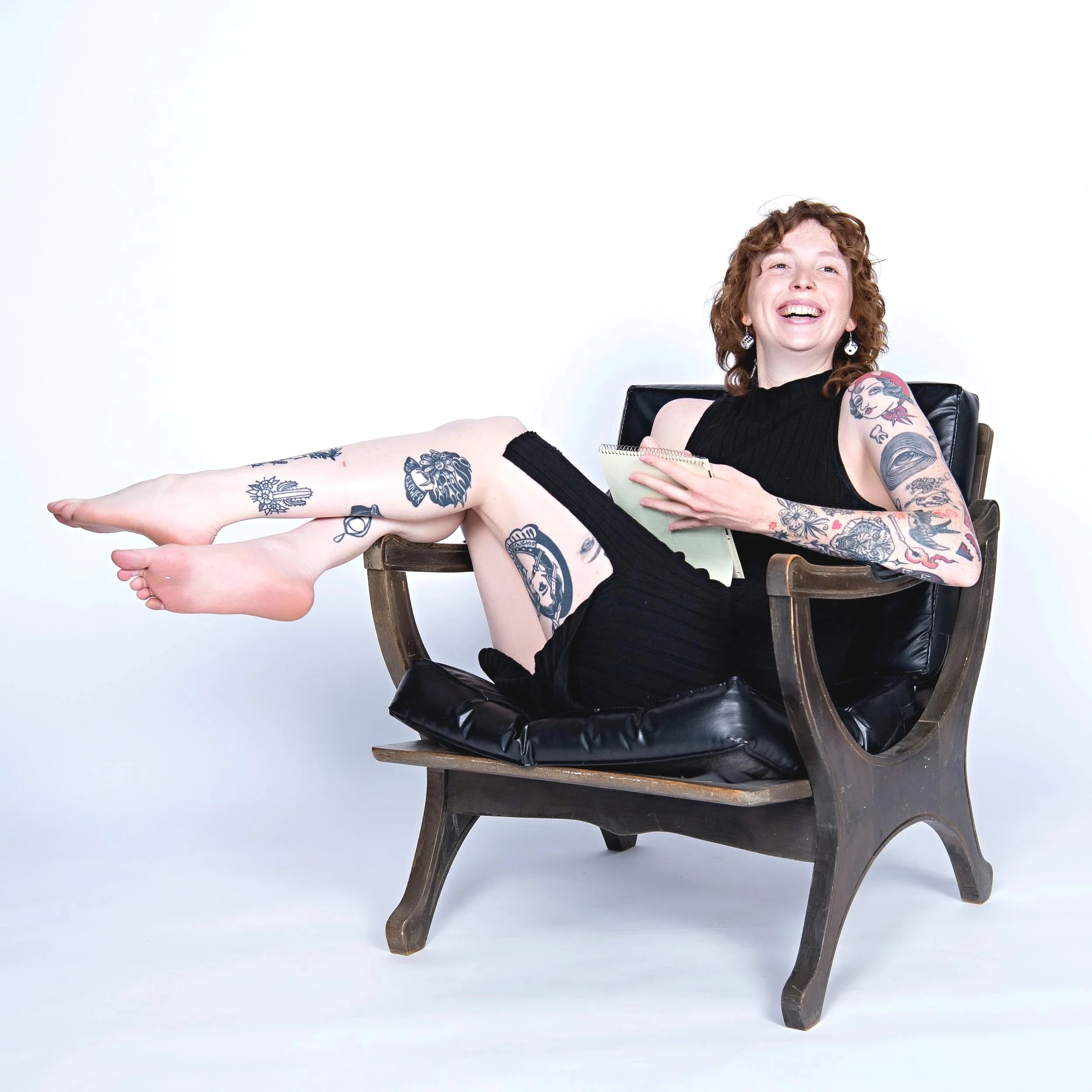
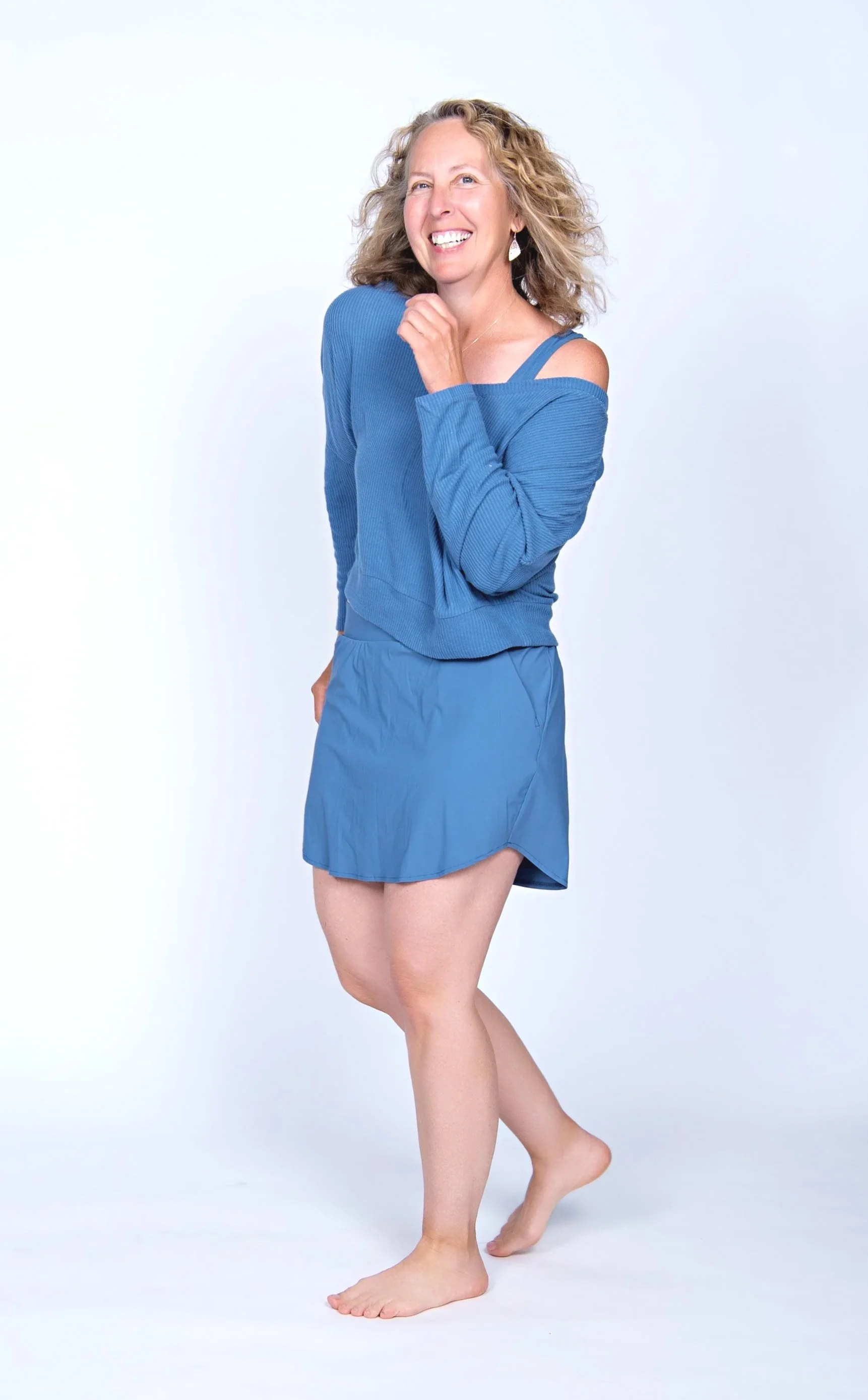
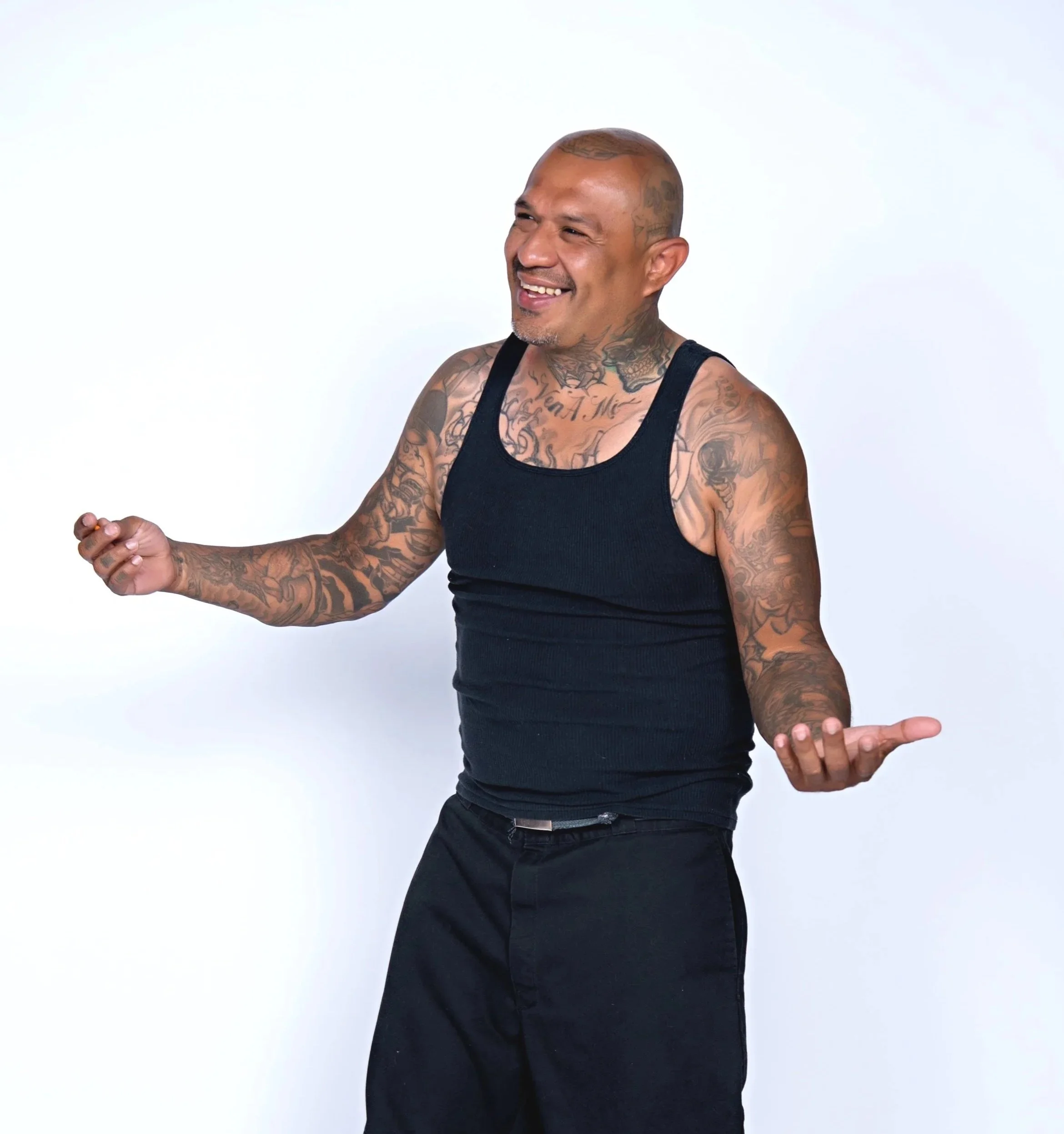
MO- Finding Your “Mojo” Through Movement
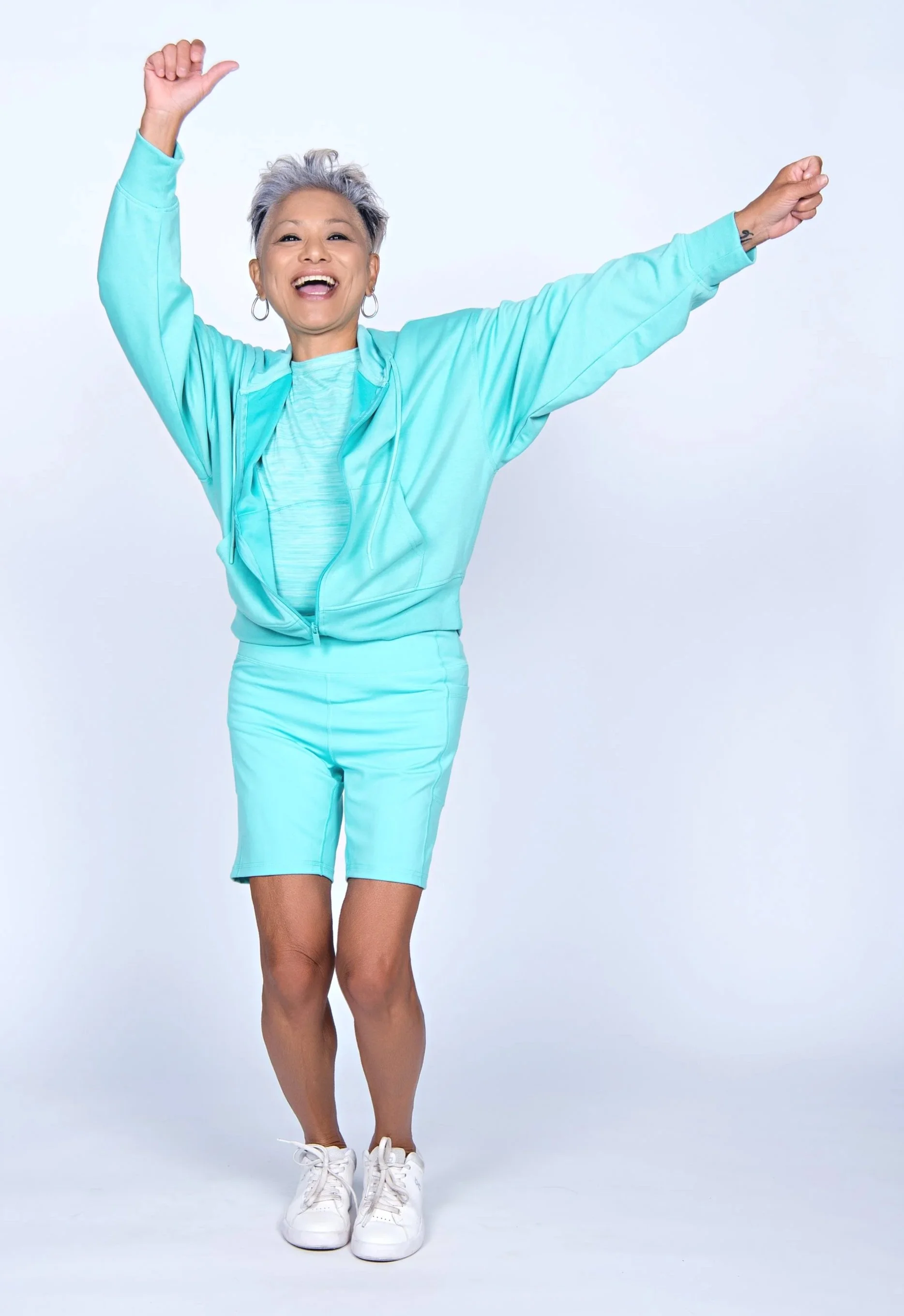
Motional Intelligence, or “MO,” is a movement practice built around the idea that fitness is not merely physical. Rather than separating the body, mind, and emotions into different categories, MO’s approach is designed to unify and engage the whole person, all at once. The class combines movement, creativity, and social interaction into a single experience designed to playfully challenge both the body and the brain.
In many modern fitness spaces, movement is treated primarily as a task with a measurable outcome: lose weight, gain strength, improve appearance, perform better. While physical challenge is important, focusing only on results can leave people feeling disconnected from themselves. Many adults move through life tightly managed by routines, responsibilities, screens, productivity, and self-monitoring. Somewhere along the way, movement often stops being something expressive, enjoyable, and alive and becomes something controlled, judged, or avoided altogether.
For many people—especially women—there is also a rather constant internal pressure to look a certain way and to always be “good” at things. It’s that evaluating and comparing voice in our heads. That voice can become so familiar that people stop noticing how much it shapes their lives. It quietly determines what they are willing to try, how visible they allow themselves to be, and how freely they express themselves. To overcome the voice, people are often advised to “be more confident,” “be more vulnerable,” or “just let go,” but very rarely are they given an actual pathway to begin those ideas experientially.
MO is built around the belief that a path to change can be found through the body. We can, quite literally, move toward change. Not through endlessly thinking about yourself, fixing yourself, or analyzing yourself—but through movement that includes play, experimentation, rhythm, challenge, and shared experience. During a MO class, participants practice doing something many adults have lost the ability to do comfortably: trying without needing to be perfect. You may miss steps. You may feel awkward at times. You may laugh at yourself. But instead of those moments becoming evidence that you should stop, they become part of the process of loosening the grip of fear and self-consciousness that limit people far beyond the dance floor.
The structure of class reflects this philosophy. Participants are guided through movement combinations, improvisation, and playful prompts that change regularly. Though some movements are consistent and grounding, others are intentionally unfamiliar. Students are not expected to master everything immediately. In fact, moments of confusion, adaptation, and experimentation are considered valuable because they actively engage the brain and interrupt automatic patterns of thinking and moving.
This approach is connected to research on neuroplasticity, the brain’s ability to form and strengthen neural pathways through new experiences. Activities such as dance, music, creative movement, and coordinated exercise activate multiple regions of the brain simultaneously. Variety, novelty, rhythm, memory, emotional engagement, balance, and social interaction all contribute to keeping the brain adaptable and responsive. In MO, challenge is not confined to only increased physical intensity, but instead is also used to strengthen resilience, creativity, and the ability to remain engaged through uncertainty.
Something else also begins to happen over time. As people move together, laugh together, and stop trying so hard to “get it right,” many begin to feel more like themselves again—or perhaps like a version of themselves they have not felt in a very long time. They often become less guarded, less consumed by self-judgement, and more willing to participate fully in life rather than watching themselves from the outside. Movement becomes less about performance and more about connection: connection to the body, to other people, to creativity, and to a sense of aliveness that many people do not realize they have been missing.
We describe that alive feeling simply as “Mojo.” It is difficult to measure, but easy to recognize. It is the spark that returns when people feel engaged instead of numb, expressive instead of inhibited, playful instead of self-protective. It is the energy that appears when people stop waiting to become perfect before fully showing up in their own lives.
Over time, participants often improve endurance, coordination, strength, and dance ability. But those things are viewed as outcomes of engagement rather than the sole purpose of the practice. The deeper intention of MO is to create an environment where people can experience their own freedom— MO focuses on movement because freedom is something the body always remembers.